I had absolutely no idea what I was going to write about for my next blog.
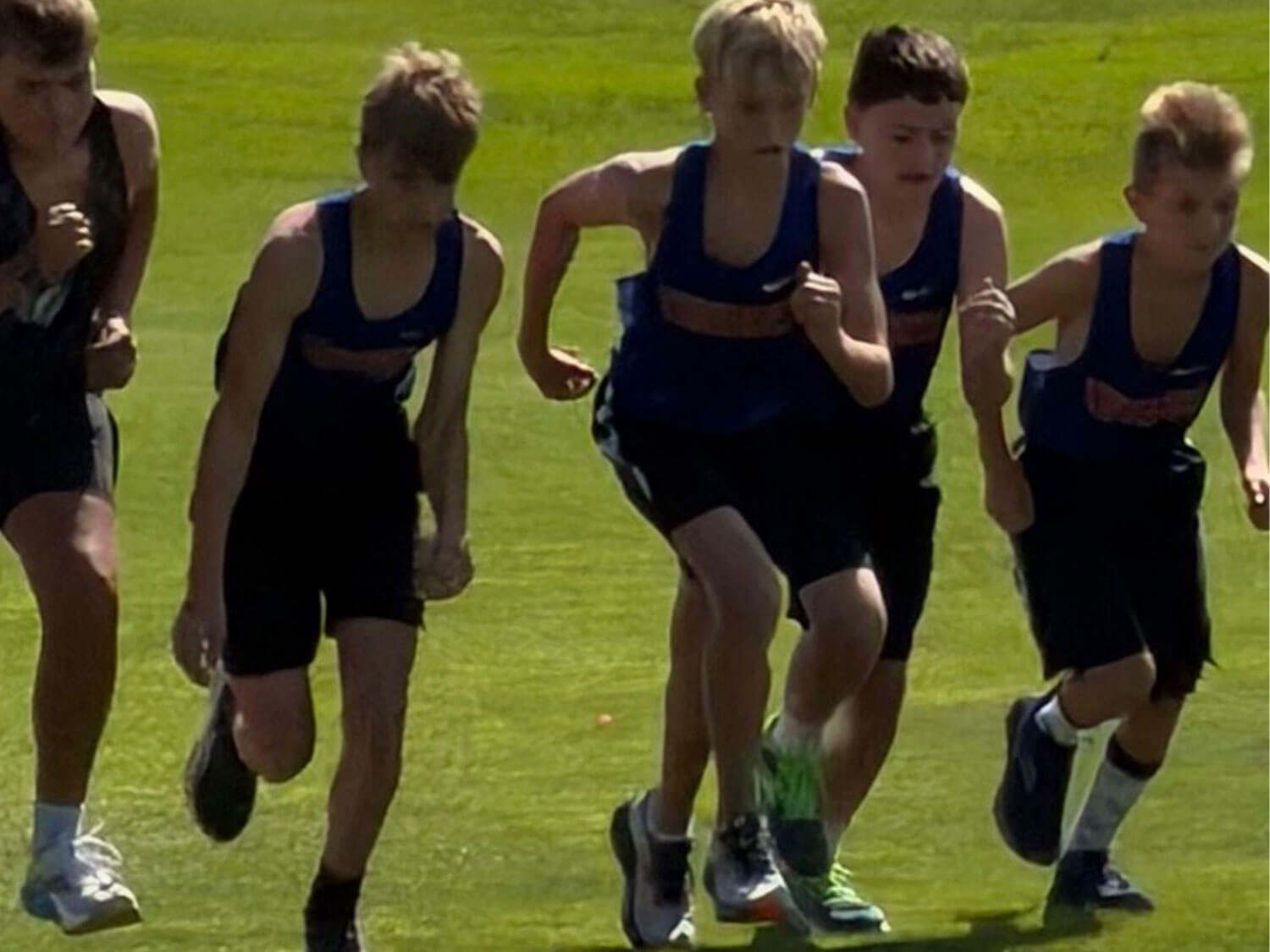
Then I went to my grandson’s very first cross-country meet.
He’s a seventh grader and a great runner. He finished sixth out of 29 runners, and as his grandma, I couldn’t have been more proud of him.
But as proud as I was of his finish, something else caught my attention that day, and honestly, it was even more meaningful.
After the middle school runners finished, the junior varsity and varsity runners came over to congratulate them.
They were fist-bumping them. Patting them on the back. Telling them, “Great job!”
And I watched the smiles on those middle school runners’ faces.
I sat back and thought, Now THAT is sportsmanship.
It didn’t matter what grade they were in. It didn’t matter what level of athlete they were. They were simply celebrating one another.
And isn’t that what sportsmanship is really about?
Kindness. Encouragement. Respect. Celebrating someone else’s success.
And the more I thought about it, the more I realized that sportsmanship isn’t just something we need on an athletic field. It’s something we need everywhere.
- We need it in our workplaces.
- We need it in our schools.
- We need it in our communities.
- And we need it in our everyday lives.
As a new school year begins and we head into another season filled with football, volleyball, cross country, soccer, basketball and so many other sports, I hope we remember what we are really teaching our kids.
Winning matters.
Competition matters.
But character matters more.
We shouldn’t normalize athletes being angry at their opponents, tearing down their teammates, disrespecting officials, or allowing competition to turn into hostility or violence.
Instead, let’s teach them to shake hands.
To encourage the other team.
To pick someone up when they fall.
To celebrate someone else’s accomplishment.
And perhaps most importantly, let’s remember that sportsmanship starts with the adults.
It starts with parents.
It starts with coaches.
It starts with the example we set from the sidelines and in the stands.
Because our kids are watching.
When a coach handles a loss with grace, the athletes notice.
When a parent congratulates the other team, the athletes notice.
When a teammate encourages someone who didn’t have their best performance, they notice.
And those lessons don’t stay on the field.
That seventh grader who receives a pat on the back from a senior may remember that moment for years.
And that senior may carry that same behavior into adulthood.
Someday, that senior could be leading a team, running a company, or sitting across the desk from a coworker who needs encouragement.
And perhaps he’ll remember what it felt like to make a seventh grader smile simply by saying, “Great job.”
Because I truly believe:
What you find on the court, you find off the court.
The character we practice in competition becomes the character we carry into life.
So the next time you sit in the stands at an athletic event, don’t just watch the score.
Watch the sportsmanship.
Watch how the athletes treat their teammates.
Watch how they treat the opposing team.
Watch how the coaches respond.
And, perhaps most importantly, watch how the parents respond.
Ask yourself:
What are we teaching our kids about winning, losing, kindness, and respect?
Because when sportsmanship is displayed on the field, it has a way of showing up everywhere else.
And maybe that is one of the greatest victories of all.